

Protection Against Break-ins: What Really Works — Tips from TAF-87 LLC
Locks are the foundation of security (80–90% of break-ins occur precisely through them).
The doors of TAF-87 metal garages already feature a robust frame and stiffening ribs, so the key is to select and install the right locks. Thieves most commonly employ methods such as drilling, knocking out, cutting with an angle grinder, prying back the door panel, or forcing the locking bolts with a jack.
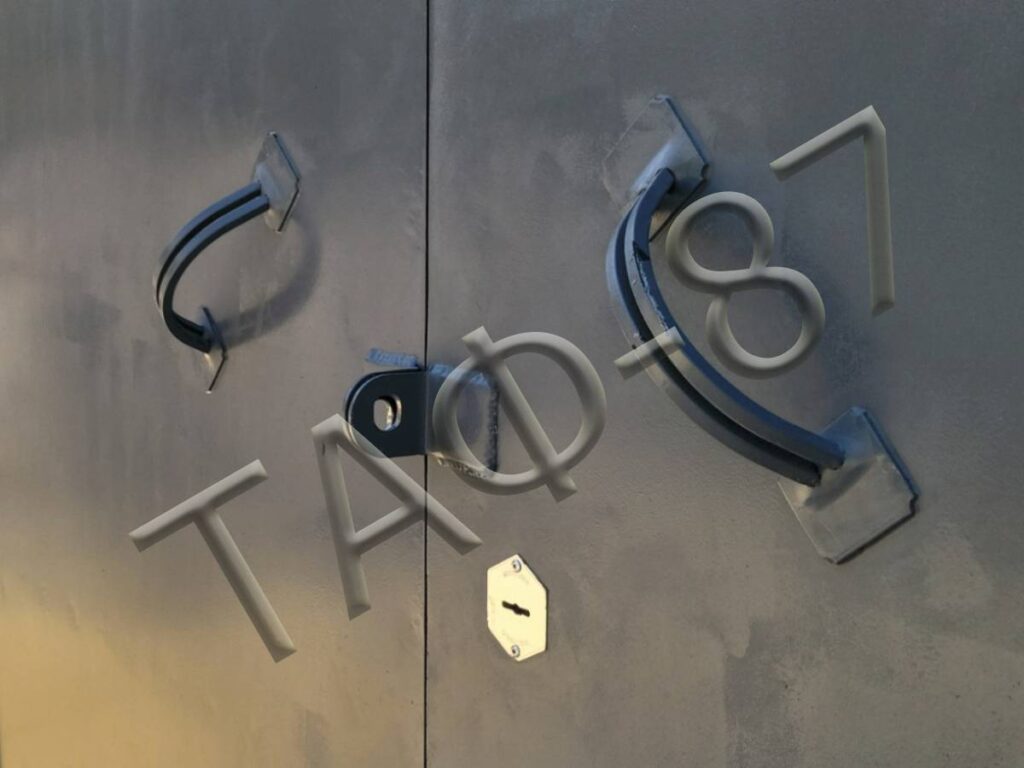
The most effective approach, chosen by 70–80% of our experienced clients:
- Internal (mortise) lever lock + external rim lock (different mechanisms: lever + cylinder, or two lever locks).
Internal (mortise) lock — the primary barrier
This is a lock that cuts into the end of the gate leaf (for example, Mottura). Why mortise?
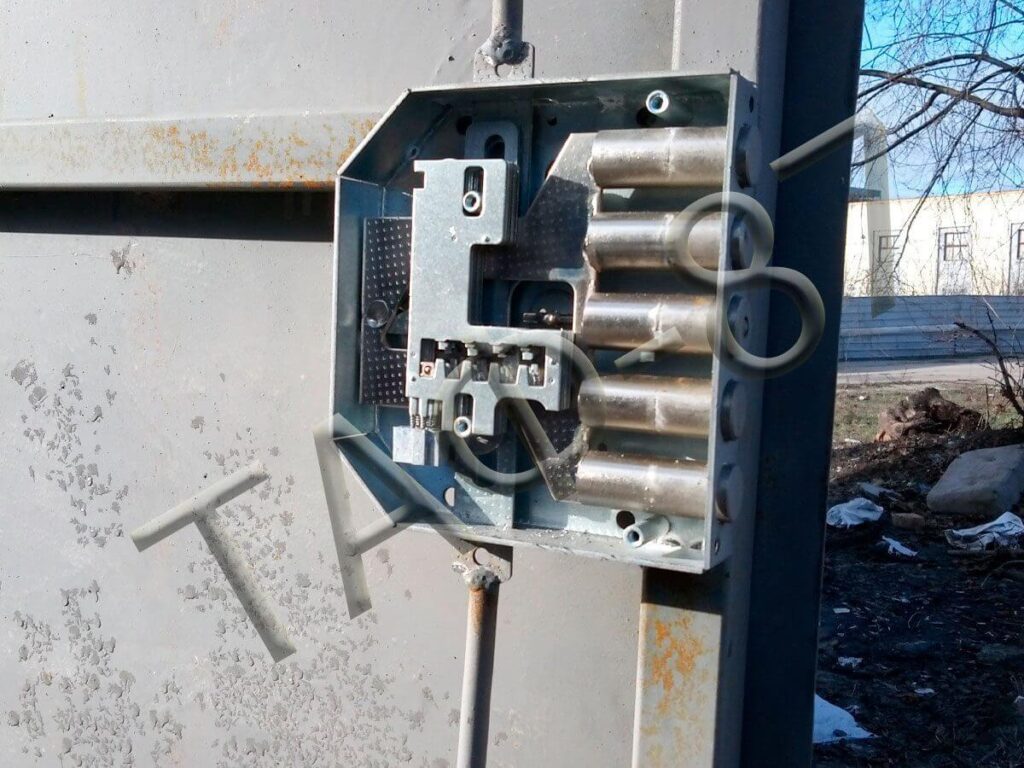
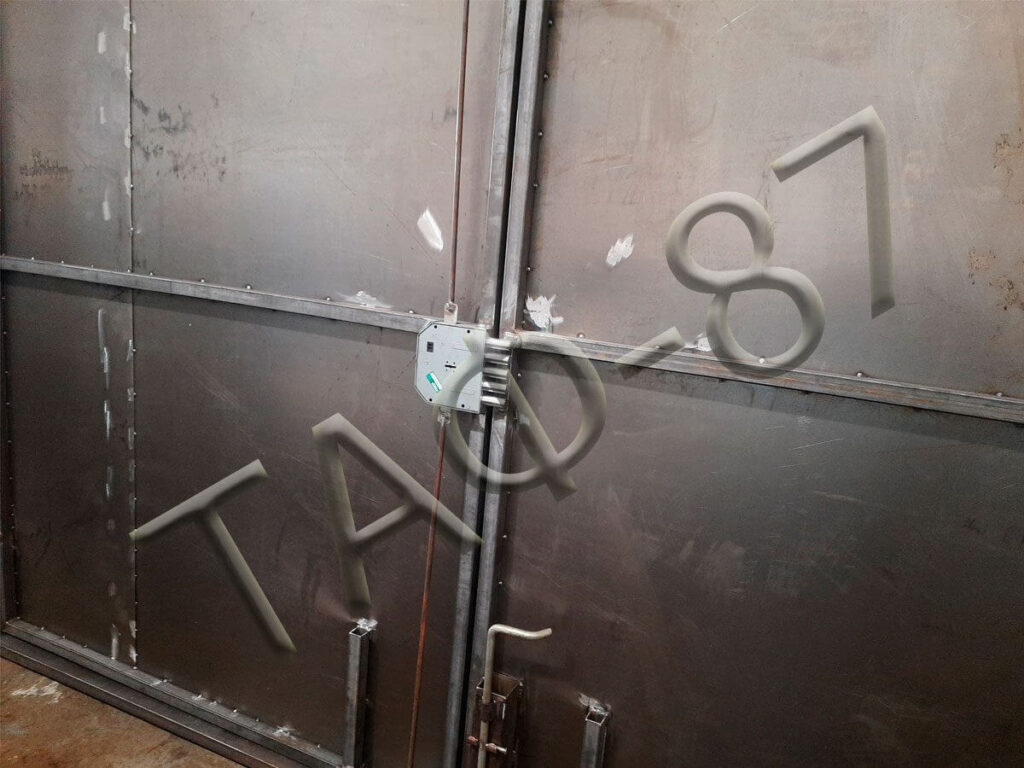
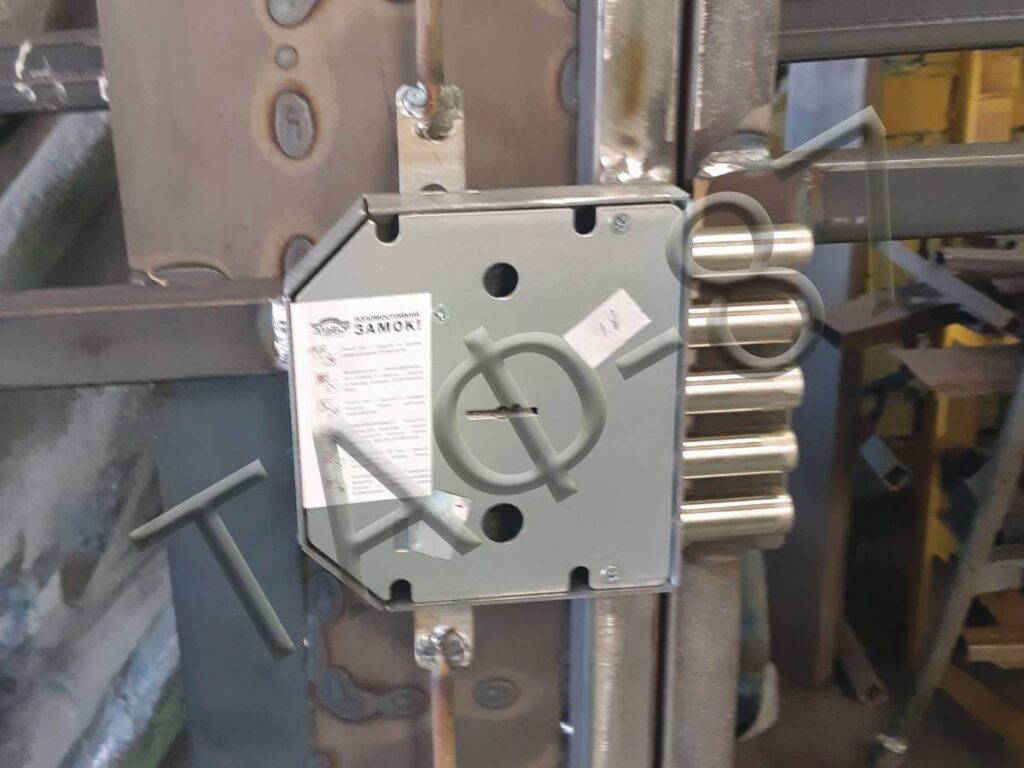
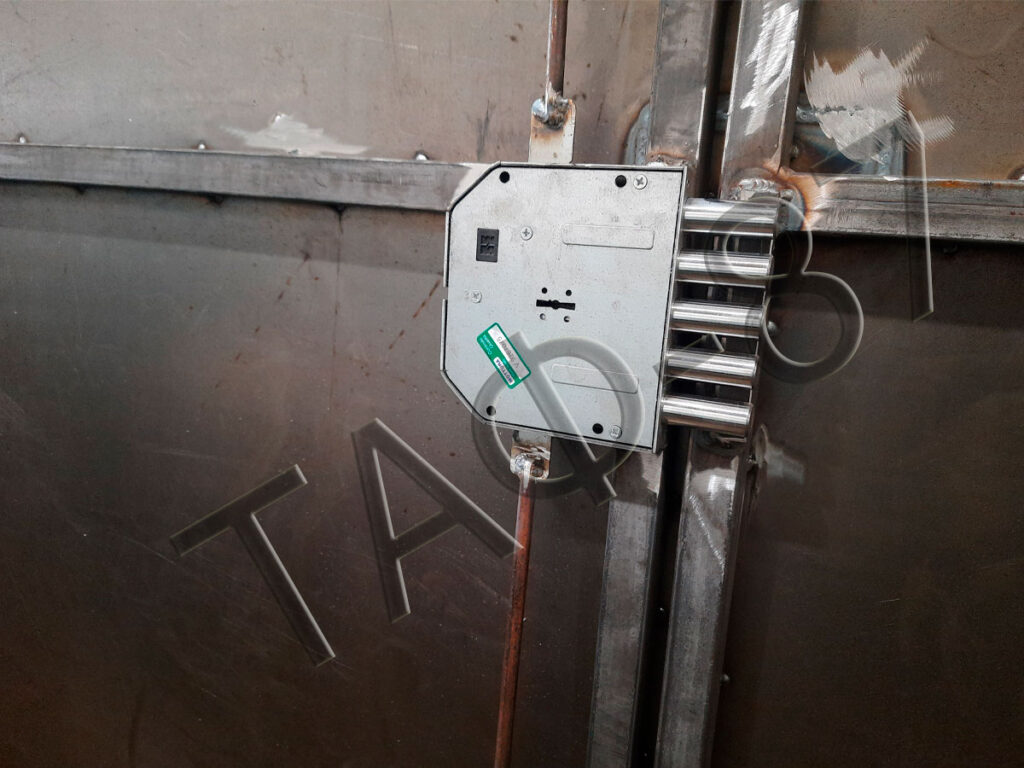
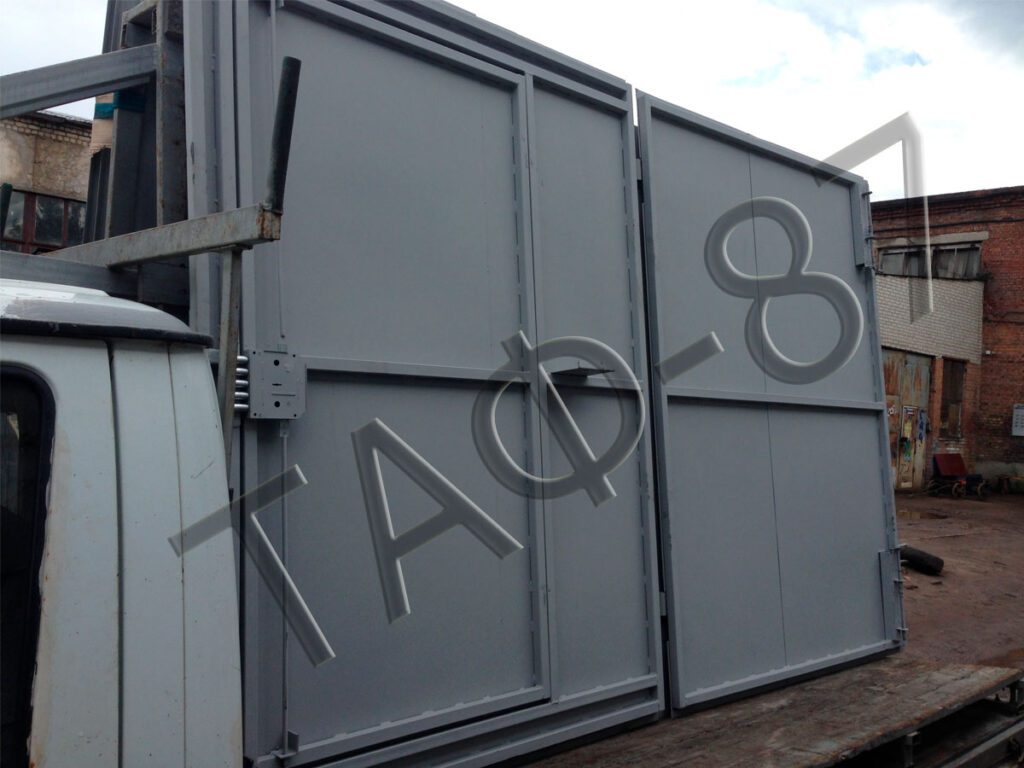
- The bolts (latches) fit into a metal box – they cannot be bent or cut easily.
- The lock body is hidden inside the profile – there is no access for knocking out or drilling from the outside.
- Number of bolts – from 3.
Padlocks: Why They Offer Little Protection and How to Reinforce Them
Padlocks (cast-iron ones with a concealed shackle) are a weak link. They can be cut off with an angle grinder in 20–60 seconds or forced open with a crowbar.
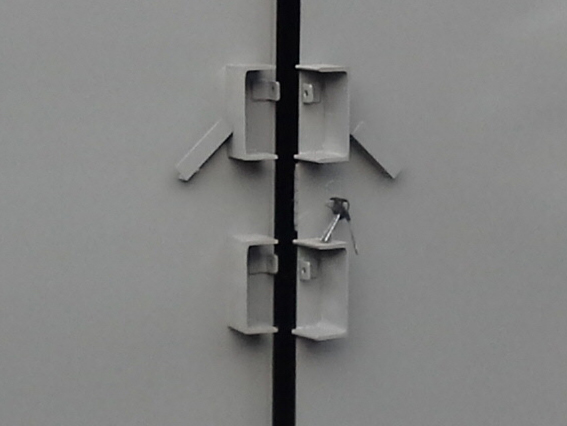
If you do use a padlock (for example, on an auxiliary gate or a chain):
- Use only with a concealed shackle (Ø 14–16 mm, hardened steel).
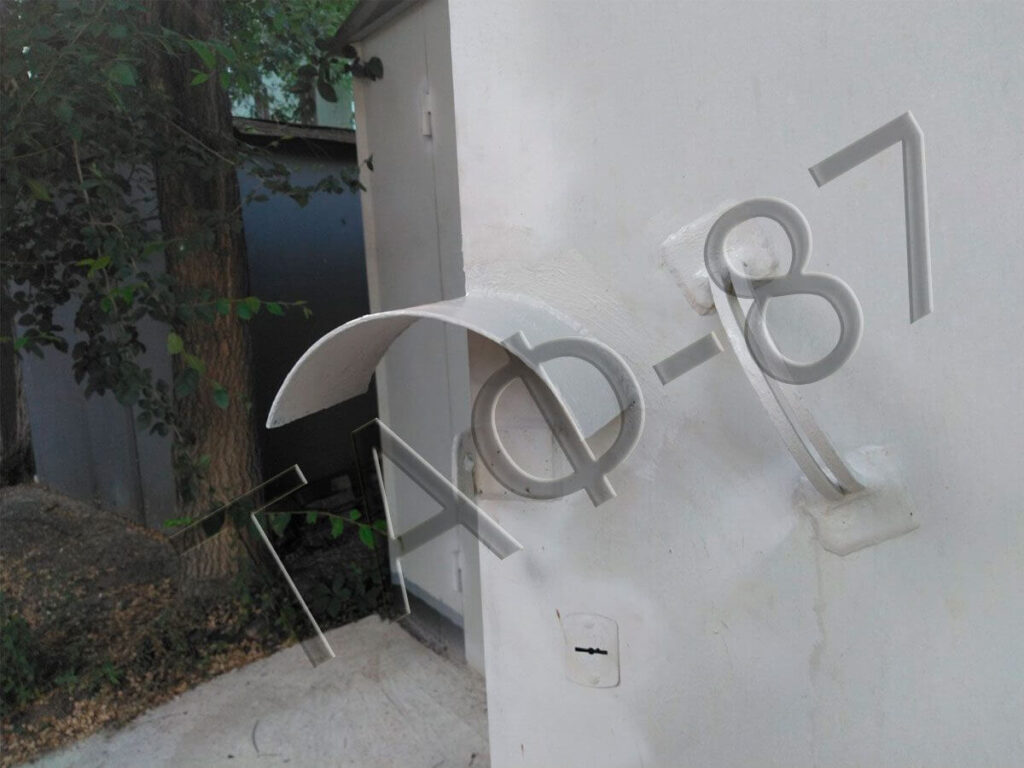
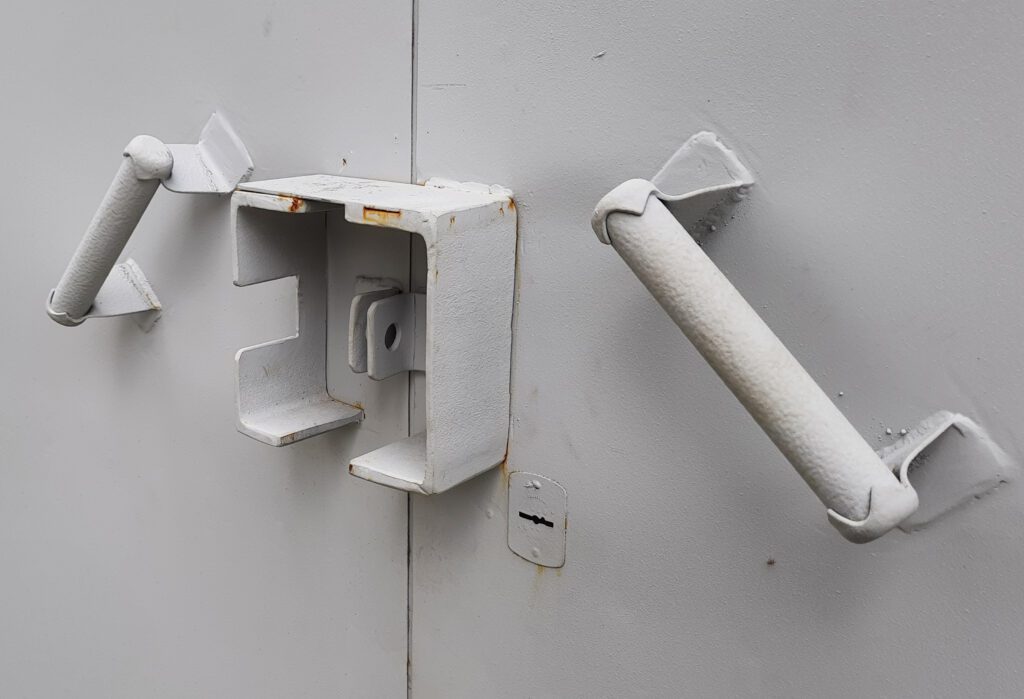
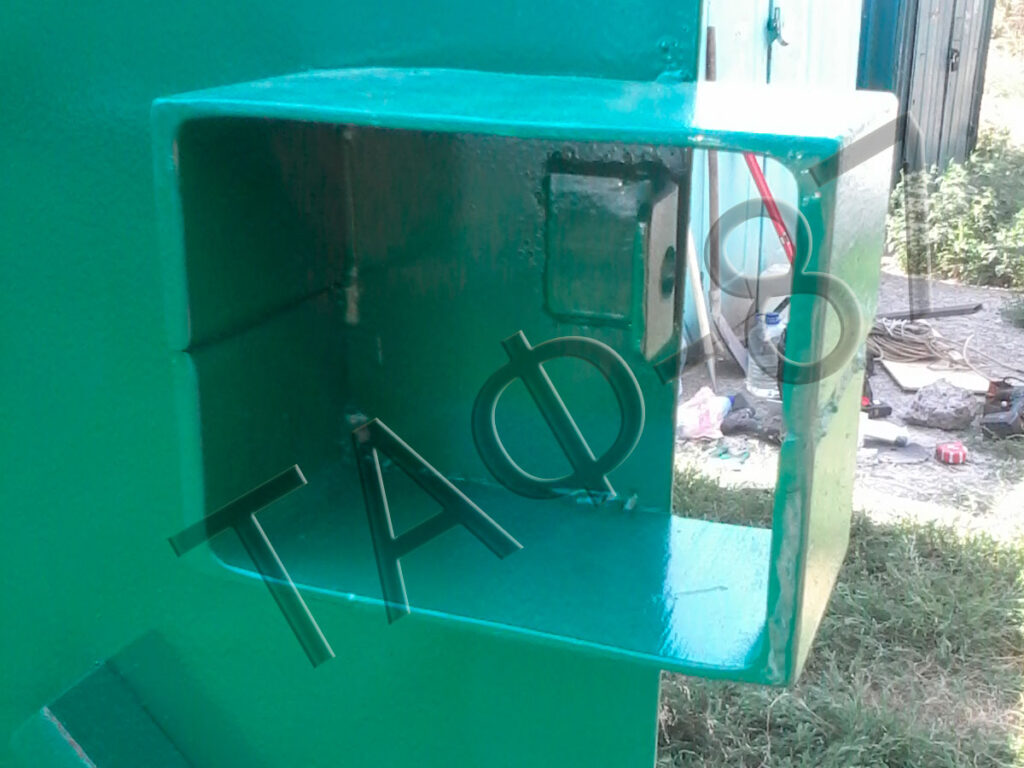
- Protect the shackle with steel plates around the locking lugs to prevent access by an angle grinder.
- Install an armored housing (a metal casing welded to the gate) so the shackle is hidden inside, with access provided only through a small key slot.
- It is best to avoid using a padlock as the primary lock altogether; it is suitable only as a secondary measure.
Additional locking bolts (slide bolts)
Even if both locks are broken, the gates will not open without them.
- Vertical locking bars, Ø 16–20 mm (made of rebar or hollow structural sections).
- They attach to welded brackets at the top and bottom of the door leaf.
- They engage with the floor (inserting into a hole in the concrete up to 10 cm deep) and the garage ceiling or lintel.
- Concreting: if the floor is made of crushed stone, pour concrete “pockets” up to 20 cm deep to accommodate the locking bars.
Summary of locks (reliability rating):
- Mortise lever lock + padlock
- Additional vertical locking bolts with concrete-filled pockets
- Padlock with a concealed shackle + armored housing
In TAF-87 garages, we already incorporate reinforced areas for locks—the thick profiles and ribs make it easy to weld on plates and locking bars. If you are planning an installation, our specialists will handle it properly.

